The number is the shortest question we can ask you
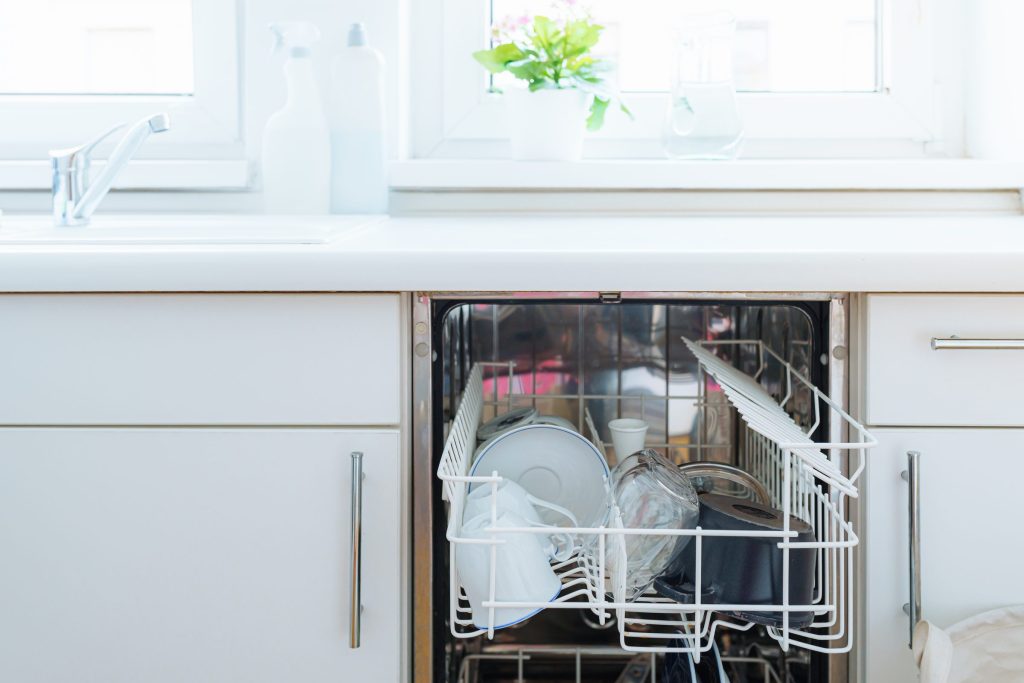
Almost every call that goes wrong starts with a machine described rather than identified. “The dishwasher is not draining” covers at least five parts and two different generations of control. The model number closes most of that down before anybody is dispatched: it says which pump is fitted, whether the machine has a display or reports through lights, and which of the 72 published codes it can even show.
Three letters, then the rest
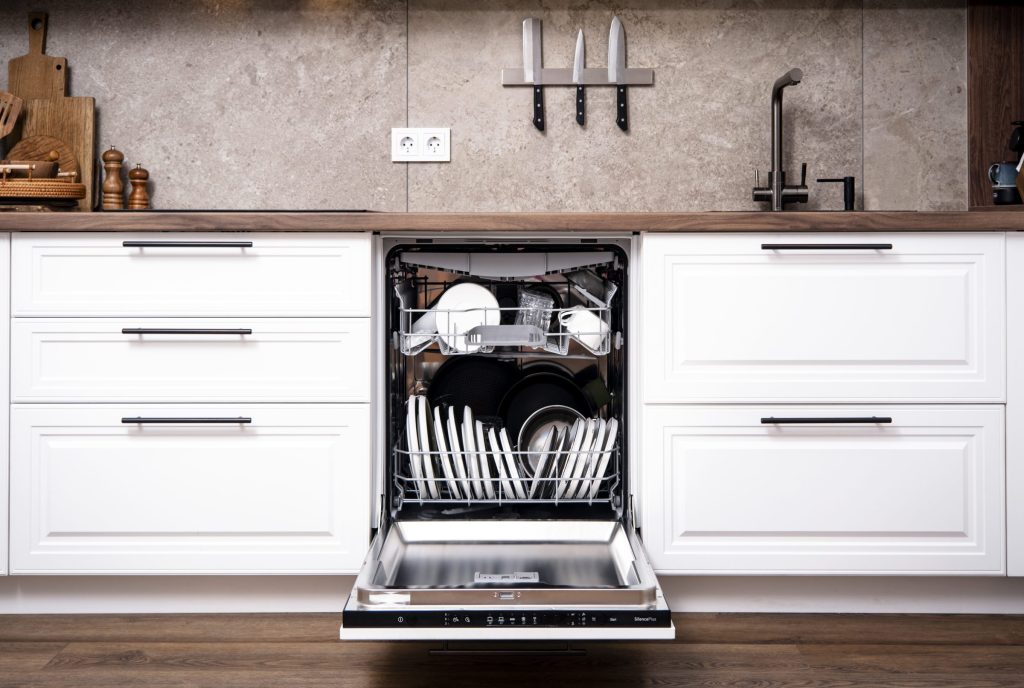
The opening letters describe the equipment rather than the model. SHX, SHP and SHE all begin a dishwasher; WAW and WTG begin a compact washer and a compact dryer; HBL begins a wall oven; B36 and B30 begin a refrigerator, and the two digits after the B are the width in inches. That much is worth knowing because it lets you check you are reading the right tag. Everything after it – the suffix that looks like noise – is what actually decides parts, and it is the half people leave out.
Series and model are different facts
Bosch sells its dishwashers and ovens in the 300, 500 and 800 Series, and those names are how the range is shopped rather than how it is repaired. A 500 Series dishwasher bought four years ago and one bought last year can carry different racks, a different pump and a different board. When a parts counter asks for the model number and you give it the series, the answer that comes back is a guess with a confident tone.
What we do with it in South Florida
Two things, both practical. The number tells us which parts to put on the van before we leave, which is why a repair here often finishes on the first visit rather than the second. And it tells us how the machine reports: a Bosch dishwasher with no display counts its condition out in the pattern of its lights, and knowing which build you have is the difference between reading that pattern and guessing at it.
If the tag is unreadable
Salt air does that, particularly on a machine in a garage or an outdoor kitchen near the water. Send a photograph of what is left of it along with the appliance type and roughly when it was installed, and we will narrow it down from the serial or from the parts that are visible. It is a normal situation here and it does not stop a repair.